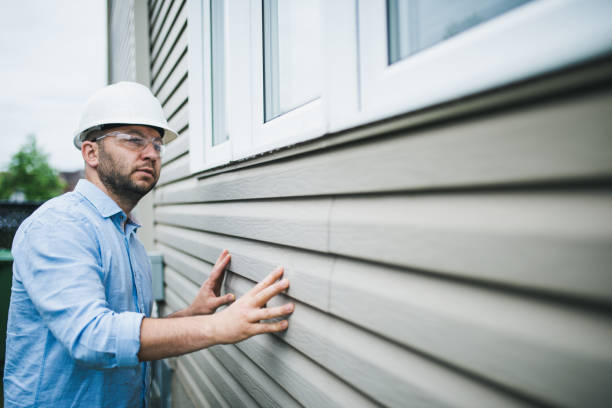
Home improvement is more than just a trend; it’s an essential aspect of maintaining and enhancing the comfort, functionality, and value of our living spaces. Whether you’re contemplating a simple renovation like a fresh coat of paint or a substantial project such as a kitchen remodel, the journey of improving your home can be both exciting and rewarding. In today’s fast-paced world, creating a sanctuary that reflects your personal style while meeting your needs is vital, making home improvement a coveted pursuit for many homeowners.
This article will explore various facets of home improvement, including the latest trends, practical tips, and innovative ideas to inspire your next project. From DIY enthusiasts looking to tackle projects on their own to those seeking professional services, discover how to transform your home into a space that not only meets your aesthetic desires but also enhances your daily life. Join us as we delve into the essential elements of home improvement, equipping you with the knowledge to embark on your renovation journey with confidence.
Popular Home Improvement Trends
As homeowners seek to create spaces that reflect their individual tastes and lifestyles, certain trends have emerged as favorites. Open-concept designs continue to dominate, promoting spaciousness and seamless flow between living areas. Sustainable materials and energy-efficient appliances are also gaining traction, as eco-conscious choices contribute to cost savings while reducing environmental impact. Additionally, smart home technology is becoming increasingly integrated into home improvement plans, offering convenience and enhanced safety features that align with modern living. Those looking to undertake substantial renovations may consider enlisting the help of professionals by consulting Residential Contractors USA, who can provide valuable insights and expertise tailored to specific projects.
Essential Tips for DIY Projects
Embarking on a DIY home improvement project can be incredibly fulfilling, but it requires careful planning and execution. Start by setting a clear budget and timeline to manage expectations effectively. Prioritize tasks based on your skills and experience, ensuring that you tackle manageable projects first. Gathering the right tools and materials is crucial, as is creating a detailed plan before diving into physical work. Don’t hesitate to seek out online resources or community workshops that offer guidance and tips. With patience and persistence, your DIY efforts can lead to stunning transformations that elevate both the aesthetic and functionality of your home.
Residential Contractors USA
Avena Sari
Serving Nationwide in USA
(607) 300-1320
In conclusion, home improvement encapsulates the essence of creativity, personal expression, and practical enhancement, allowing homeowners to cultivate spaces that resonate with their aspirations. By staying aware of current trends, utilizing smart design principles, and approaching projects with a clear strategy, anyone can embark on their own home transformation journey. Whether through thoughtful DIY efforts or professional guidance, each improvement acts as a step toward crafting a unique sanctuary that satisfies both aesthetic desires and functional needs. As you consider your next project, remember that every small change contributes to the larger vision of a home that not only accommodates your lifestyle but also tells your story. Embrace the process, and allow your home to evolve into a true reflection of who you are.