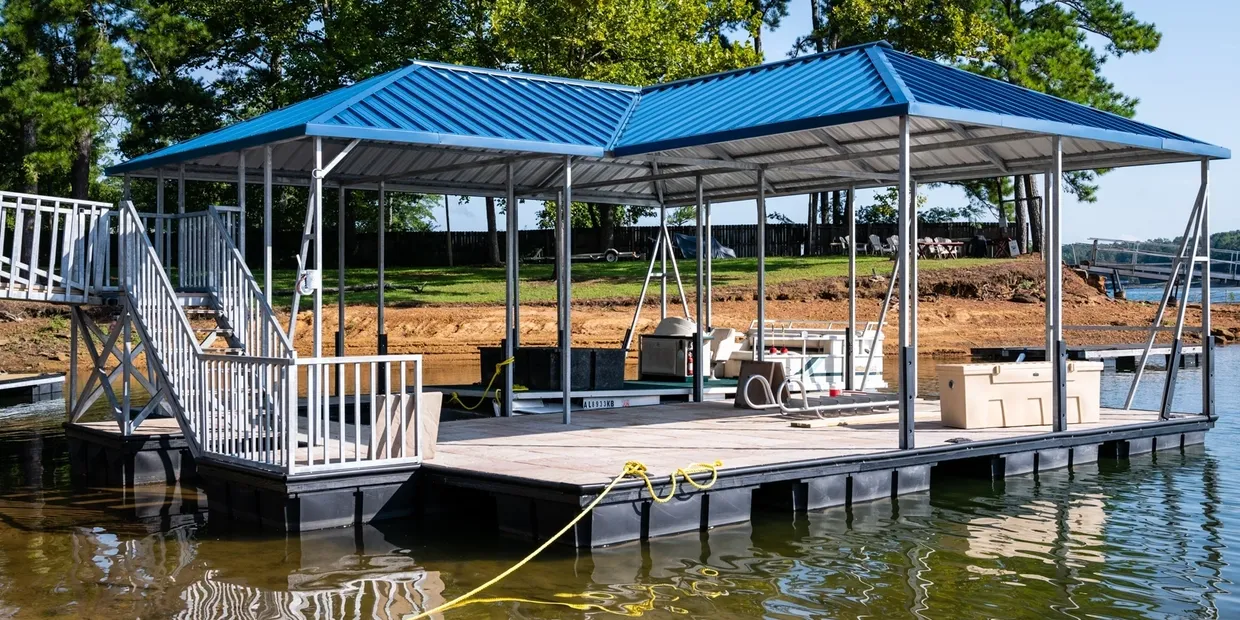
When it comes to building a dock on uneven or sloped terrain, foothills dock construction presents a unique set of challenges and considerations. Whether you are looking to build a dock for recreational purposes or as part of a commercial project, understanding the complexities of working in hilly areas is essential for ensuring that your structure is safe, durable, and compliant with local regulations.
From assessing the stability of the soil to determining the best placement for support pylons, foothills dock construction requires careful planning and meticulous execution. In this article, we will explore some key factors to consider when embarking on a dock construction project in foothills terrain, as well as best practices for ensuring that your dock is built to withstand the unique challenges posed by hilly landscapes.
Assessing Soil Stability
One of the most critical aspects of Foothills dock construction is assessing the stability of the soil. The uneven terrain of foothills can pose challenges when it comes to ensuring that the ground can support the weight of the dock structure. Conducting thorough soil tests and working with geotechnical engineers can help determine the best foundation design for the dock, taking into account factors such as soil composition, drainage, and erosion control. By understanding the unique characteristics of the soil in foothills terrain, builders can design a dock that is not only safe and stable but also resilient against shifting ground.
Placement of Support Pylons
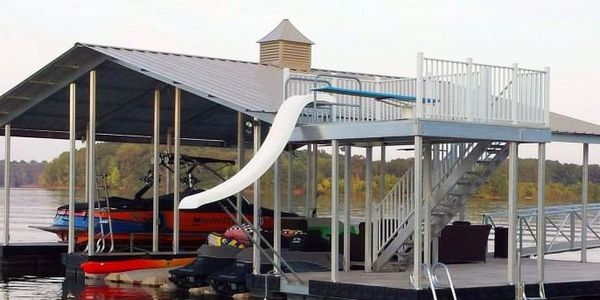
Another crucial consideration in Foothills dock construction is determining the optimal placement for support pylons. With sloped or uneven terrain, it is essential to strategically position the pylons to provide adequate stability and weight distribution for the dock. Consulting with structural engineers and surveyors can help identify the best locations for support pylons, taking into account factors such as water depth, wave action, and shoreline conditions. By carefully planning the placement of support pylons, builders can ensure that the dock is structurally sound and able to withstand the challenges of building in hilly landscapes.
In conclusion, foothills dock construction requires a detailed understanding of soil stability and strategic placement of support pylons to ensure the safety and durability of the structure. By conducting thorough soil tests and working with geotechnical engineers, builders can design a dock that is resilient against shifting ground and erosion in hilly terrain. Consulting with structural engineers and surveyors to determine the optimal positioning of support pylons is essential for providing stability and weight distribution for the dock. By carefully considering these factors, builders can create a dock that is not only safe and stable but also able to withstand the unique challenges posed by building in foothills landscapes.
Leave a Reply